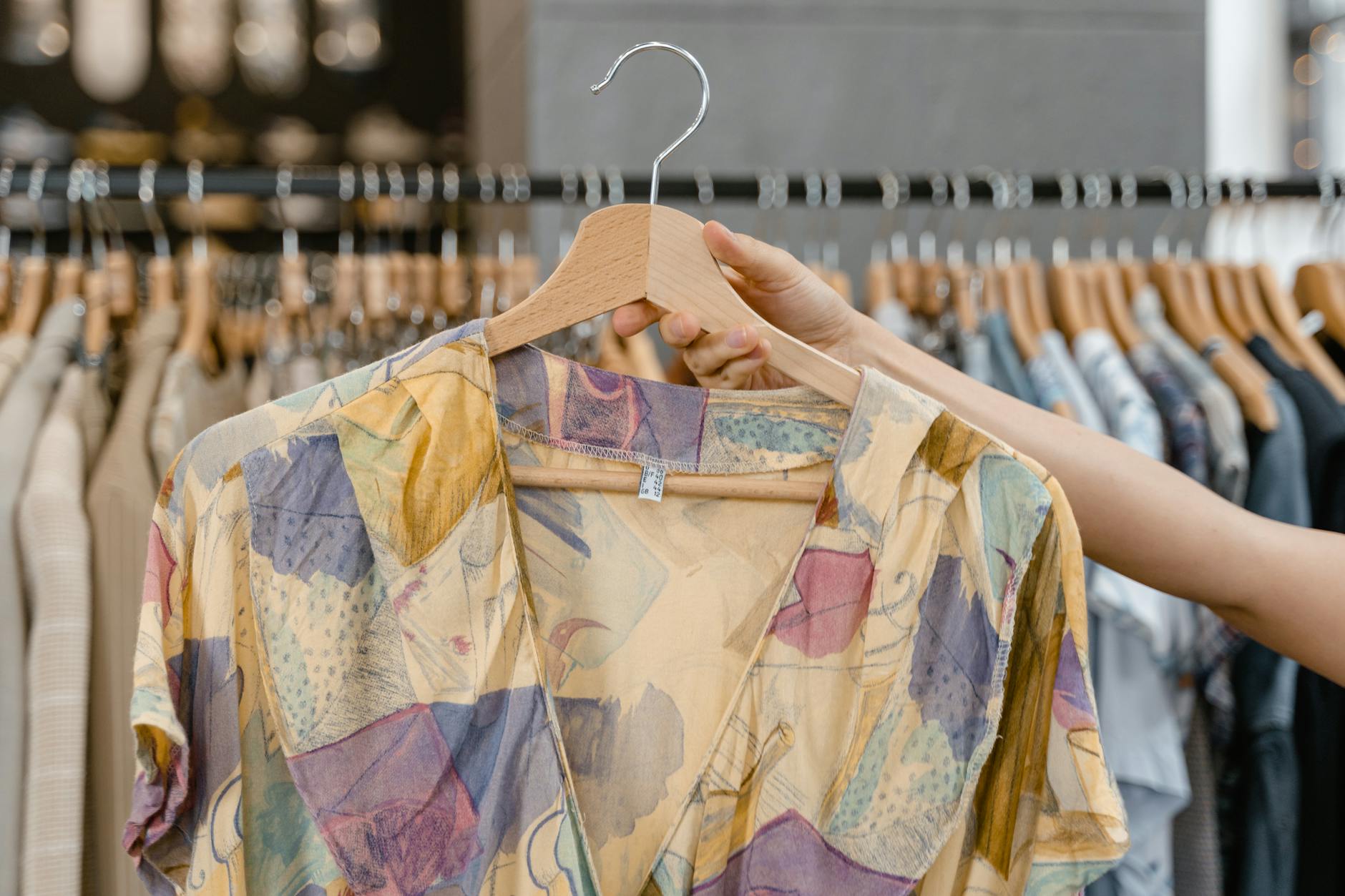
Copenhagen is one of Europe’s great cities for second-hand shopping. The Danes’ deep instinct for design, quality and sustainability means the city is full of vintage shops — from glossy archival-designer boutiques where you might find a vintage Chanel jacket, to cheerful charity “genbrug” shops where you’ll fill a bag for pocket money. Whether you’re hunting investment fashion or a cheap, characterful wardrobe refresh, there’s a neighbourhood for it. Let me show you where to go.
This is a guide to the best vintage and second-hand shops in Copenhagen, organised by neighbourhood so you can plan a proper vintage crawl — with notes on prices, charity bargains and how the sizing works.
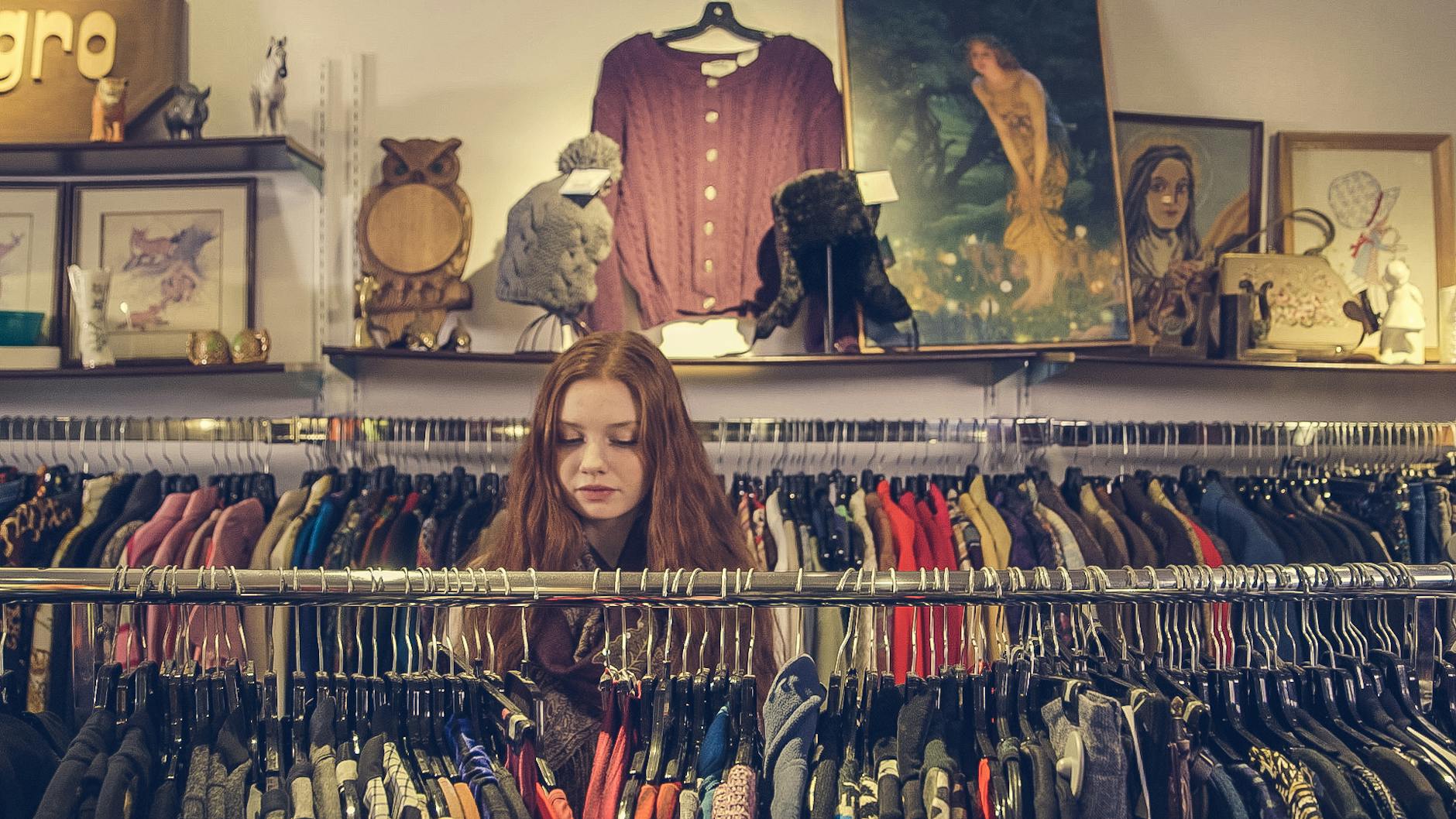
Copenhagen vintage shopping at a glance
- Best areas: the Latin Quarter (Indre By), Vesterbro’s Istedgade, Nørrebro, Frederiksberg
- For designer/archival: Time’s Up, O-S-V, I Blame Lulu, Reseller
- For cheap bargains: charity (genbrug) shops — Red Cross, UFF Humana, Folkekirkens Nødhjælp
- For volume vintage: Episode, Prag, Wasteland, Veras
- Prices: charity from tens of kroner; curated boutiques 100–500 DKK; designer consignment 500 DKK+
- Pay by card in shops; bring cash for flea markets
Why Copenhagen is a vintage paradise
It comes down to culture. Denmark has a strong sustainable, circular-fashion ethos — second-hand isn’t a poor relation here, it’s chic, and even Copenhagen Fashion Week has pushed sustainability standards. That means the quality of second-hand stock is high, the curation is excellent, and there are well over a hundred vintage and charity shops across the city. Add the Danes’ love of good design and you get racks full of quality Scandinavian labels (Ganni, Stine Goya, Acne, Soulland) alongside international vintage. It’s genuinely one of the best cities in Europe to shop pre-loved.
The Latin Quarter (Indre By): the densest cluster
The streets of Studiestræde and Larsbjørnsstræde in the old Latin Quarter pack the most vintage into the smallest area — you can walk between a dozen shops in minutes:
- Time’s Up Vintage (Krystalgade) — archival designer treasure (Chanel, YSL, Gucci); the serious end.
- O-S-V — Copenhagen’s pioneering luxury second-hand and consignment store (Ganni, Acne, Soulland).
- Carmen (Larsbjørnsstræde) — the city’s oldest vintage shop, a basement of ’70s and ’80s finds.
- Episode and Wasteland (Studiestræde) — big, budget-friendly volume vintage, Levi’s and Y2K.
- Veras Vintage (Studiestræde) — pink-walled, fun, with a circular exchange concept.
Vesterbro: rock’n’roll and charity bargains
Around Istedgade and Vesterbrogade, Vesterbro mixes characterful vintage with the best charity shops. Prag (Vesterbrogade) is a big, well-known vintage store, while the area’s charity shops — the Red Cross (Røde Kors) shop on Istedgade, UFF Humana, and others — are where you find genuine bargains, with fresh stock dropped midweek. It’s the neighbourhood for digging. Pair it with a wander through trendy Vesterbro itself.
Nørrebro: the vintage heartland
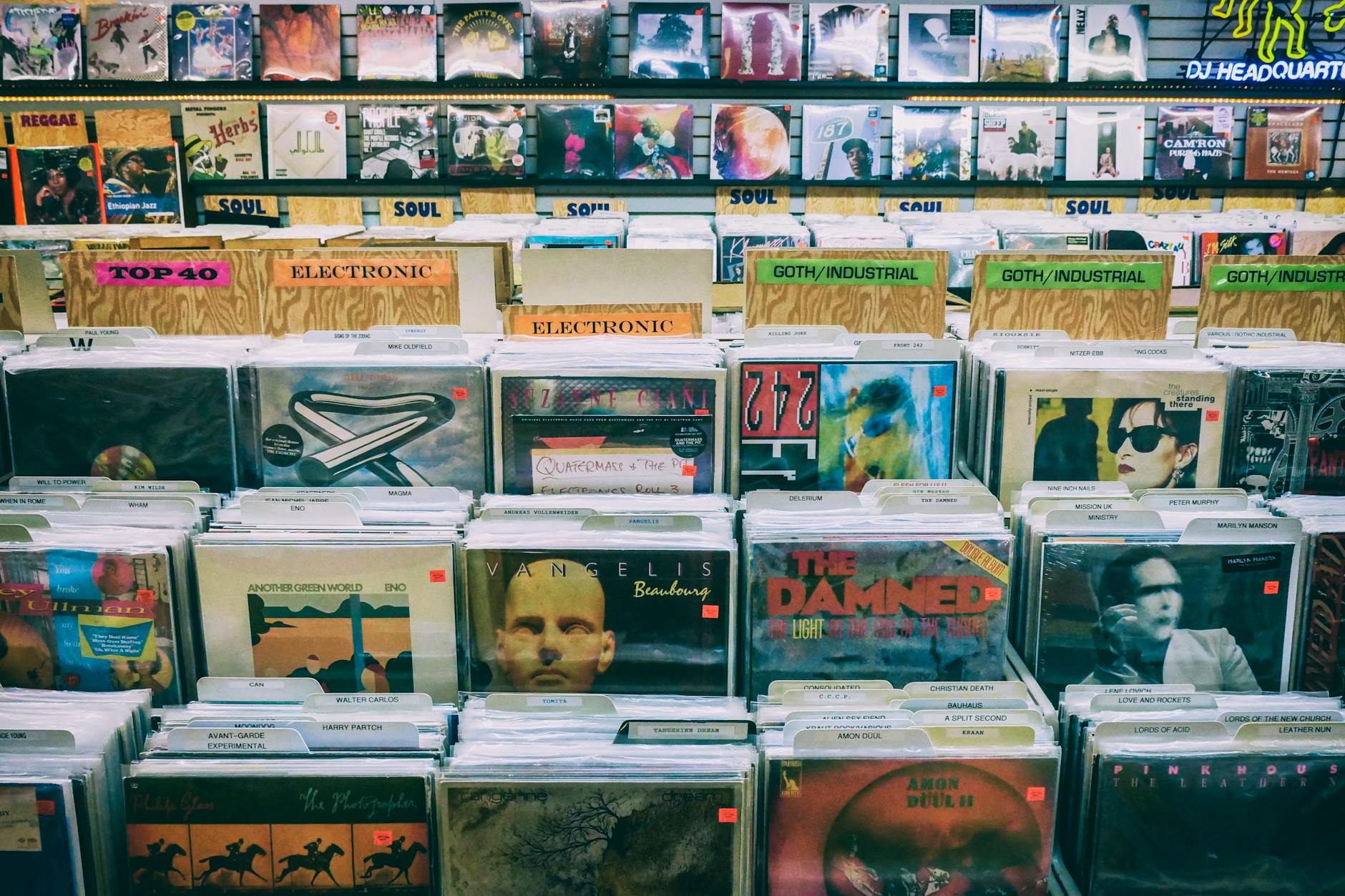
Nørrebro is arguably the city’s vintage capital. Ravnsborggade is the antiques street (furniture, porcelain, silver — see the guide to Copenhagen’s flea markets too), while Nørrebrogade and the boutique strip of Jægersborggade hold curated second-hand fashion, designer resale and a great record shop for vinyl hunters. It’s also the most fun area simply to wander between shops, coffee in hand — more in my Nørrebro guide.
Frederiksberg: designer consignment
Elegant Frederiksberg, along Gammel Kongevej, is the place for higher-end consignment. I Blame Lulu is a top spot for pre-loved designer (Balenciaga, Prada, Totême), while Grade A specialises in second-hand menswear. It’s a more curated, grown-up vintage experience than the Latin Quarter’s rummage.
Charity shops (genbrug): the bargain layer
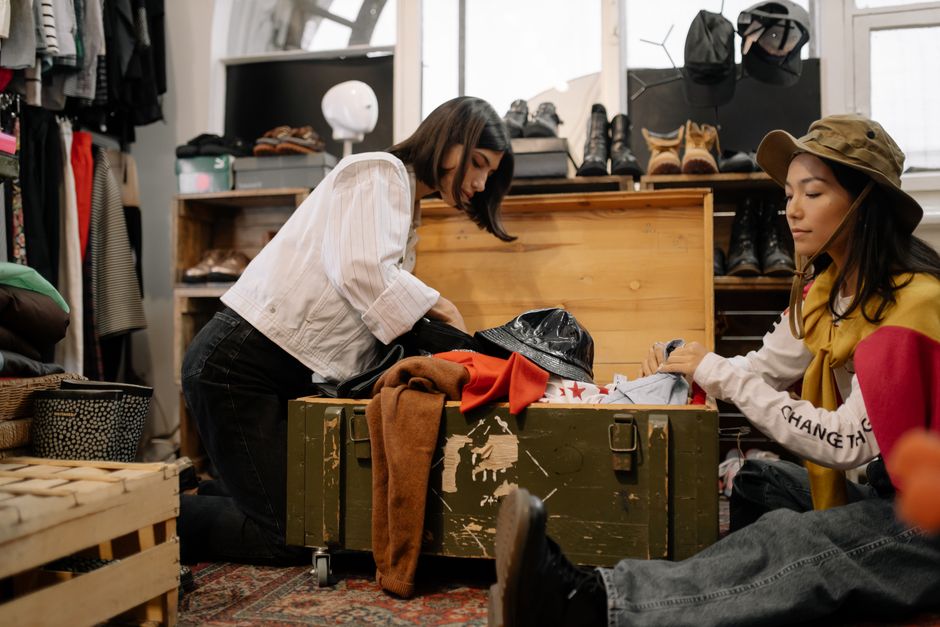
Don’t overlook the genbrugsbutikker — charity shops run by organisations like the Red Cross, UFF Humana, Folkekirkens Nødhjælp and Kirkens Korshær. Dotted all over the city (with clusters in Vesterbro and Nørrebro), these are where prices drop to tens of kroner and you shop for a cause. The stock is unpredictable, which is exactly the appeal — patient digging turns up quality Danish brands for a fraction of resale prices. “Genbrug” simply means reuse, and it’s woven into the Danish way of life.
Practical tips
- Where to focus: Latin Quarter for density, Vesterbro/Nørrebro for charity bargains, Frederiksberg for designer consignment.
- Prices: charity from ~20–100 DKK; curated boutiques 100–500 DKK; designer consignment 500–2,000+ DKK.
- Payment: shops take cards/MobilePay; bring cash for flea markets.
- Sizing: old Danish/European sizes run small and vary by era — always try things on or check measurements.
- Combine with flea markets on weekends for the full second-hand experience.
- Note: second-hand goods generally don’t qualify for the tourist VAT refund (that’s for new retail).
The Copenhagen vintage crawl, neighbourhood by neighbourhood
Rather than dart around, do it as a series of mini-crawls — each a walkable loop you can tackle in a couple of hours. Latin Quarter (on foot): base yourself on Studiestræde and Larsbjørnsstræde and hit Carmen, Episode, Wasteland, Veras and O-S-V within a few minutes’ walk — the densest, easiest cluster for a first-timer. Vesterbro (Istedgade): work the strip for Prag plus the Red Cross and UFF Humana charity shops, digging for bargains between cafés. Nørrebro (Ravnsborggade to Jægersborggade): start with the antiques on Ravnsborggade, then meander up to Jægersborggade for curated fashion, designer resale and a record shop, with great coffee stops along the way. Frederiksberg (Gammel Kongevej): a more upscale loop for designer consignment at I Blame Lulu and menswear at Grade A. Pick the crawl that matches your taste — designer, bargain, or eclectic — or string two together on a dedicated vintage day.
Charity bargains vs curated quality
It helps to know which kind of shop you’re walking into, because the experience differs hugely. The charity shops (genbrug) — Red Cross, UFF Humana, Folkekirkens Nødhjælp, Kirkens Korshær — are the cheapest, with prices in the tens of kroner, but the stock is unsorted and unpredictable: you’re digging for gold, and condition varies. The curated boutiques (Time’s Up, O-S-V, I Blame Lulu, the Jægersborggade shops) cost more but do the work for you — everything is selected, often authenticated, and in good condition, which is what you want for designer pieces. A smart vintage day mixes both: start with a curated boutique to see the quality end, then hit a charity shop or two for the thrill of a cheap find. Knowing the difference stops you expecting bargain prices in a designer consignment store, or designer condition in a charity bin.
Prices, payment and sizing
A few practicalities that make the day smoother. Prices span an enormous range — reckon on roughly 20–100 DKK in charity shops, 100–500 DKK in curated boutiques, and 500–2,000+ DKK for designer consignment — so set your expectations by the type of shop. Payment is easy in actual shops (cards and MobilePay everywhere), but flea markets are typically cash-only, so carry some DKK if you’re combining the two. The big gotcha is sizing: vintage Danish and European sizes run small and inconsistent across eras, and labels can’t always be trusted, so always try things on or check the actual measurements rather than going by the number on the tag. And one tax note: second-hand goods are usually sold under a margin scheme, so they generally don’t qualify for the tourist VAT refund that applies to new retail — the price is the price.
Copenhagen and circular fashion
It’s worth understanding why the scene here is so good, because it shapes what you’ll find. Copenhagen has positioned itself as a capital of sustainable and circular fashion — second-hand is mainstream and fashionable, not a budget compromise, and the city has well over a hundred vintage and charity shops, swap and resale concepts, and even consignment options where you can sell your own clothes. Copenhagen Fashion Week’s sustainability requirements have pushed the whole industry here in a greener direction, and that culture trickles down to the shop floor: high-quality stock, thoughtful curation, and a genuine pride in reuse. So when you shop vintage in Copenhagen, you’re not just saving money — you’re taking part in something the city does better than almost anywhere, and giving a beautiful Danish-made garment a second life.
Is vintage shopping in Copenhagen worth it?
Absolutely — it’s one of the most rewarding and sustainable ways to shop here, and often the best value in an otherwise pricey city. Whether you’re after an investment designer piece, a quirky charity-shop find, or simply a fun afternoon of digging in a cool neighbourhood, the breadth and quality of Copenhagen’s second-hand scene is hard to beat. Plan a crawl through the Latin Quarter, Vesterbro or Nørrebro, mix curated boutiques with charity bargains, and you’ll come home with characterful, genuinely Danish pieces — some of the best souvenirs Copenhagen offers — and a much lighter conscience than fast fashion. Combine it with the city’s weekend flea markets and the rest of the Copenhagen shopping scene for the full picture.
Copenhagen and the circular-fashion revolution
Copenhagen’s vintage scene is so good because it sits at the centre of a genuine cultural shift, and understanding that makes shopping here more meaningful. Over the past decade the city has positioned itself as a capital of sustainable and circular fashion — second-hand isn’t a budget compromise here, it’s genuinely fashionable, and buying pre-loved is something stylish Copenhageners do with pride rather than apology. The city has well over a hundred vintage, charity and resale shops, swap concepts where you exchange rather than buy, and consignment stores where locals sell their own designer pieces. Even Copenhagen Fashion Week has introduced sustainability requirements that push the whole industry greener, and that ethos trickles down to the shop floor: high-quality stock, thoughtful curation, and a real respect for giving good clothes a second life. So when you shop vintage in Copenhagen, you’re not just saving money — you’re taking part in something the city does better than almost anywhere, and that context turns a bargain hunt into a small act of style and sustainability combined.
How to shop vintage well
A little know-how separates a great vintage haul from a suitcase of regrets. First, sizing: old Danish and European sizes run small and vary wildly between eras and makers, and labels can’t be trusted, so always try things on or check the actual measurements rather than going by the number on the tag — this is the single biggest cause of disappointed vintage buyers. Second, condition: inspect carefully under good light for moth holes, stains, broken zips, sweat marks and worn seams, especially in charity shops where stock is unsorted; minor flaws can often be fixed or negotiated, but know what you’re buying. Third, authentication for designer pieces: in reputable consignment stores like the luxury resellers, authenticity is vetted, but be more cautious with “designer” bargains at uncurated stalls. Fourth, fabric: natural fibres (wool, silk, cotton, leather) tend to age far better than old synthetics. Shop slowly, try things on, and buy quality over quantity — the joy of Copenhagen vintage is finding one brilliant, well-made piece, not filling a bag with things you’ll never wear.
Designer resale vs charity: choosing your experience
Copenhagen offers two quite different vintage experiences, and knowing which you want shapes your day. The curated and designer-resale end — shops like Time’s Up, O-S-V, I Blame Lulu and the Jægersborggade boutiques — does the work for you: pieces are hand-selected, authenticated, in good condition and beautifully merchandised, but you pay for that curation, with quality vintage and designer items running from a few hundred to a couple of thousand kroner. The charity (genbrug) and volume-vintage end — Red Cross, UFF Humana, Folkekirkens Nødhjælp, Episode, Wasteland — is the opposite: cheap (often tens of kroner), unpredictable, and gloriously hit-or-miss, where you dig for treasure among the ordinary. Neither is “better”; they’re different pleasures. The ideal vintage day mixes both — start at a curated boutique to see the quality end and calibrate your eye, then hit a charity shop or two for the genuine thrill of an unexpected, dirt-cheap find. Expecting charity prices in a designer reseller (or designer condition in a charity bin) is the only real mistake.
Building a vintage day into your trip
The practical beauty of vintage shopping in Copenhagen is that it doubles as neighbourhood exploration, so it’s easy to weave into a trip. The shops cluster in the city’s most interesting districts: the Latin Quarter for a dense, walkable cluster in the historic centre; Vesterbro’s Istedgade for cool stores and charity bargains; Nørrebro (Ravnsborggade to Jægersborggade) for the city’s vintage heartland alongside great cafés; and Frederiksberg for upscale consignment. Tie a vintage crawl to a weekend and you can fold in the weekend flea markets too, since the best ones run on Saturdays and Sundays — a morning of market-hunting followed by an afternoon of shop-browsing is a perfect, budget-friendly Copenhagen day. Pause for coffee and lunch in whichever neighbourhood you’re in, and the shopping becomes a way to experience the real, local city rather than just acquire clothes.
Final thoughts on Copenhagen vintage
Vintage shopping is one of the most rewarding, sustainable and best-value things you can do in an otherwise pricey city. Whether you’re chasing an investment designer piece, a cheap charity-shop gem, or simply a fun afternoon of digging in a cool neighbourhood, the breadth and quality of Copenhagen’s second-hand scene is genuinely world-class — a reflection of a city that treats reuse as stylish rather than second-best. Plan a crawl through the Latin Quarter, Vesterbro or Nørrebro, mix curated boutiques with charity bargains, mind the sizing, and you’ll come home with characterful, genuinely Danish pieces and a lighter conscience than fast fashion ever allows. Combine it with the city’s Copenhagen’s flea markets and the full Copenhagen shopping guide for the complete second-hand experience.
Beyond buying: swaps, rentals and repair
Copenhagen’s circular-fashion culture goes further than second-hand shops, and it’s worth knowing if you want to shop (or simply think) like a local. The city has a growing scene of clothing-swap events and exchange-based concepts — places like Veras built around bringing items to trade rather than just buy — where the idea is to keep good garments circulating rather than consuming new. There’s also a rising culture of repair and care: tailors, cobblers and “repair café” initiatives that fix rather than replace, reflecting the same values that make the second-hand scene so strong. For a visitor, the takeaway is simple: Copenhagen treats clothes as things to reuse, mend and pass on, not discard, and shopping vintage here plugs you into that mindset. Even if you’re only browsing for a weekend, buying a pre-loved Danish piece — and perhaps having a button sewn or a hem taken up while you’re at it — is a small way to travel a little lighter on the planet, in a city that’s made circular living genuinely stylish. It’s one more reason the vintage scene here feels less like bargain-hunting and more like joining in.
Last updated: July 2026. Photo credits: Burst, cottonbro studio / Pexels.
Frequently asked questions
What is the best area for vintage shopping in Copenhagen?
The Latin Quarter (Studiestræde/Larsbjørnsstræde) has the densest cluster; Nørrebro is the vintage heartland; Vesterbro is best for charity bargains; Frederiksberg for designer consignment.
Where can I find cheap second-hand clothes in Copenhagen?
The charity “genbrug” shops — Red Cross, UFF Humana, Folkekirkens Nødhjælp — plus volume vintage stores like Episode and Wasteland.
Are vintage shops in Copenhagen expensive?
It varies widely: charity shops start in the tens of kroner, curated boutiques run 100–500 DKK, and designer consignment 500 DKK and up.
What does “genbrug” mean?
It’s Danish for reuse/second-hand. Charity second-hand shops are called genbrugsbutikker.
What Danish brands should I look for second-hand?
Ganni, Stine Goya, Rotate, Saks Potts, Soulland and Baum und Pferdgarten, alongside international labels like Acne and Totême.
Do Copenhagen vintage shops take cards?
Yes, nearly all take cards and MobilePay. Flea markets, however, are often cash-only.
Pair this with the flagship stores on Strøget, browse the Danish design shops, and see the full Copenhagen shopping guide.


